
Droughts
CONTACTS
Project Leaders
Freddy BOUCHET : freddy.bouchet@lmd.ipsl.fr
Chistophe CASSOU : christophe.cassou@lmd.ipsl.fr
CONTEXT
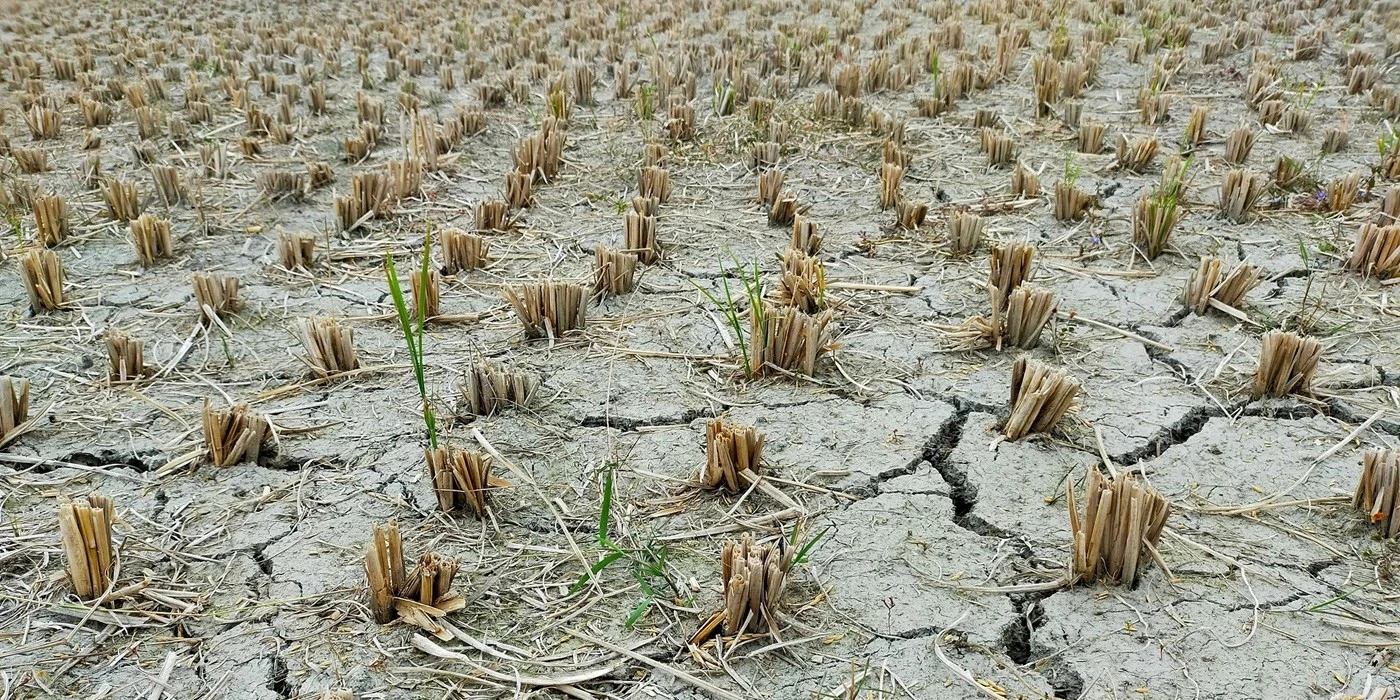
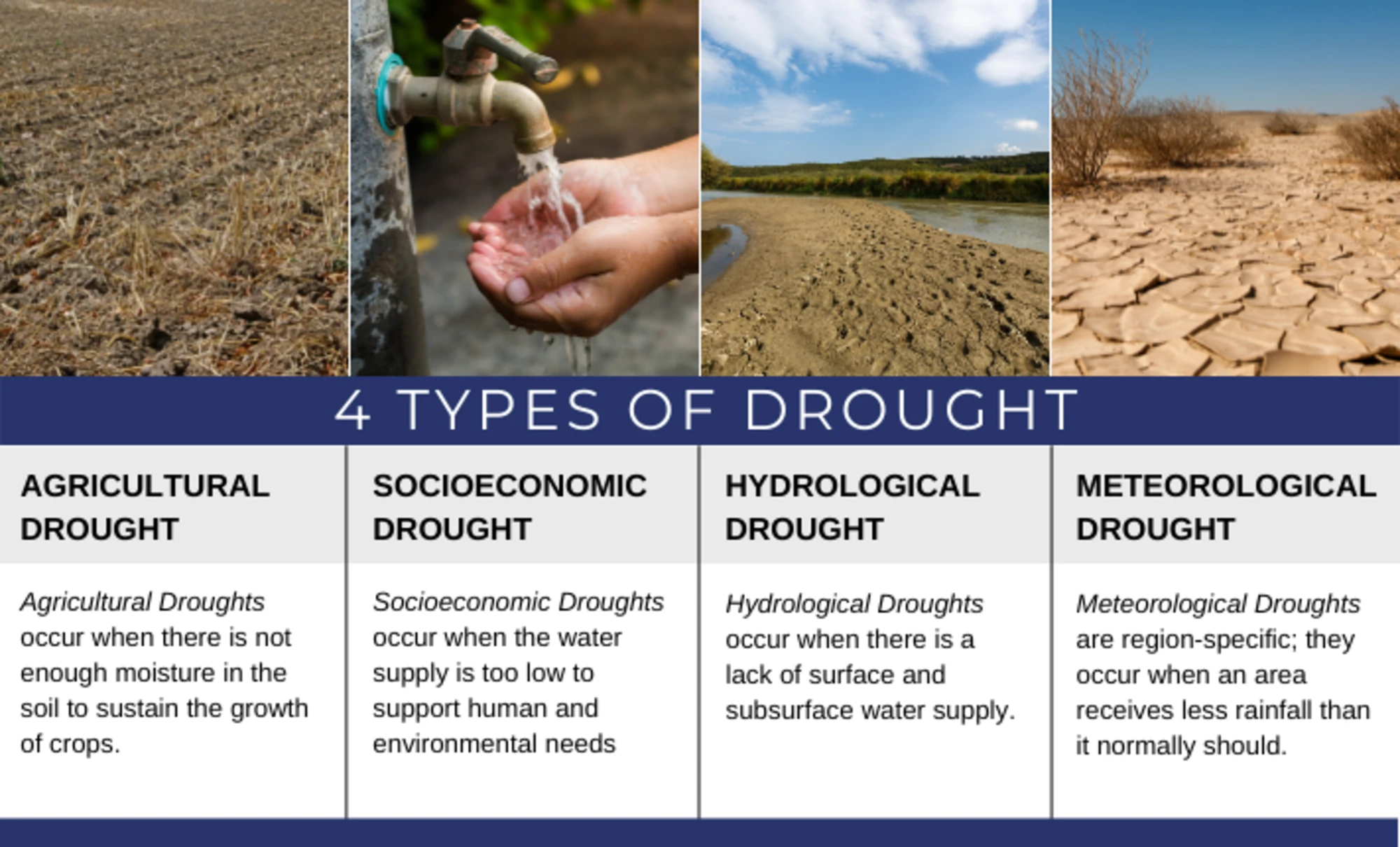
Drought is addressed as a systemic issue, at the crossroads of meteorological, hydrological, agricultural, economic and social dimensions. It represents one of the most feared impacts of climate change, particularly in the Mediterranean region, which is already considered a true climate hotspot. Droughts profoundly disrupt the water - agriculture - food - energy - health nexus and are closely linked to other climate extremes such as heat waves and megafires. This has major consequences for human societies and ecosystems.
The program draws on the interdisciplinary expertise of PSL laboratories and a broad network of partners (public institutions, local authorities, NGOs, insurers, water agencies, etc.). It aims to produce concrete, localized responses to droughts adaptation, in particular through the development of local experiments, the co-construction of public policies and the promotion of scientific and local knowledge. This hotspot thus aims to contribute to robust and inclusive mitigation and adaptation pathways in the face of a phenomenon that is set to intensify in the coming decades.
GOAL
METHODOLOGY
Exploring fundamental questions
Selection of key questions
Identification of stakeholders
Invitation of stakeholders and convergence towards common research priorities
Defining the scope of the Hotspot project
A VISION FOR 2040
1. Paradigm shift in response to droughts
By 2040, droughts are no longer perceived as crises to be endured, but as challenges that regions tackle in a proactive, collective and resilient manner. This major transformation has taken place, particularly in historically exposed Mediterranean regions, but also in others, thanks to a gradual shift away from crisis management towards a culture of risk and prevention.
2. Adaptation to climate change through integrated risk management
Adaptation to droughts is now fully integrated into a broader climate change adaptation strategy. It is based on integrated risk management, taking into account the increasing exposure of regions to direct and indirect impacts : forest fires, pressure on land use, social vulnerabilities and ecosystem degradation. These dynamics are addressed through structural public policies that are coordinated from the local to the national levels, linked to efforts to reduce greenhouse gas emissions, protect biodiversity and promote collective sobriety in the use of resources.
3. Systemic and territorial approach
Faced with a considerable decline in water resources - both in terms of quantity and quality - responses are no longer fragmented. They now require a systemic approach that addresses various issues such as those related to health, agriculture, food and energy. This approach is also rooted in local realities, considering each territory in its specificity, as a place of life, action and interdependence between urban and rural areas.
4. Science-society and democratic governance co-construction
This change has been made possible by a fruitful alliance between scientific knowledge and local experience. Within a transparent, democratic and inclusive decision-making framework, practical solutions acceptable to all stakeholders have emerged. Thanks to transdisciplinary methods of territorial dialogue, spaces of trust, mutual understanding and shared decision-making have been opened up between citizens, researchers, institutions and economic actors. These participatory processes reinforce the legitimacy and effectiveness of the actions undertaken.